
Airpals logo
Log In
Contact Us
  1. Home
  2. Workplace & Facility Operations
  3. The Complete Guide to Workplace Management: Responsibilities, Tools, and Tips
workplace management
• 12 min read

The Complete Guide to Workplace Management: Responsibilities, Tools, and Tips

Learn the workplace management definition, key responsibilities, and tools teams use to manage workplace operations.
Author avatar
Ananda AbadPublished: Apr 13, 2026Updated: Apr 15, 2026

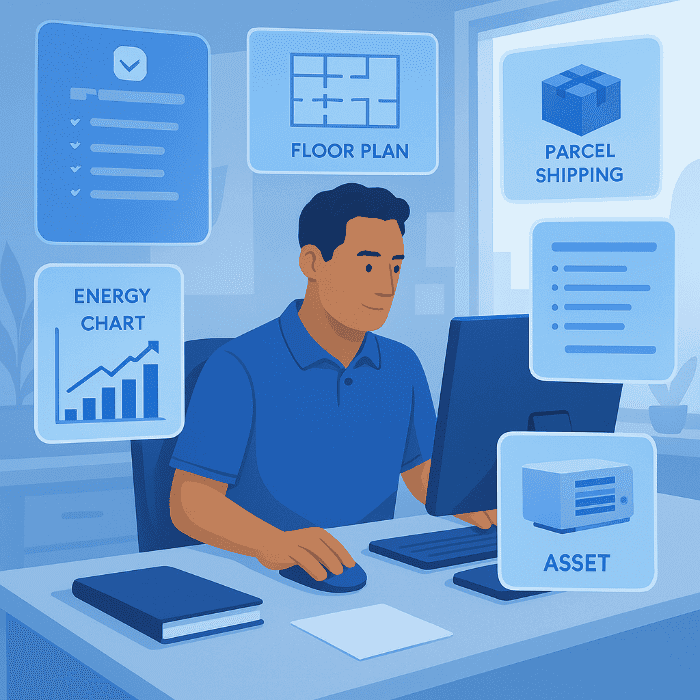
Running a modern workplace is far more complex than keeping the lights on and the coffee stocked. Behind every smoothly functioning office is a team of professionals quietly coordinating dozens of moving parts, from managing service requests and vendor contracts to overseeing IT infrastructure, visitor access, and internal logistics. This is the domain of workplace management, and its role inside organizations has never been more critical.

This guide breaks down everything you need to know about workplace management: what it means, what teams actually do, which tools they rely on, and how to run workplace operations more effectively. We also explore how solutions like Airpals are helping workplace teams bring one of their most overlooked challenges, parcel shipping coordination, under control.

Table of Contents:

  1. What Is Workplace Management?
  2. Key Responsibilities of Workplace Management Teams
  3. What Tools Do Workplace Teams Use to Stay Organized?
  4. Tips for Managing Workplace Operations More Effectively
  5. How Airpals Supports Workplace Shipping Operations
  6. Key Takeaways
  7. Building a Better Workplace Management Strategy
  8. Frequently Asked Questions (FAQs)

What Is Workplace Management?

A practical workplace management definition is: the coordinated oversight of the physical work environment and the services that support it, so employees can do their jobs effectively, safely, and with minimal operational friction. Many sources describe it as a strategic effort focused on optimizing the workplace environment and aligning it with business needs.

Workplace management overlaps with facilities management, but it is usually more "employee-and-operations-facing." While facilities management often emphasizes the built environment's reliability and safety, workplace management tends to emphasize how space, services, and tools come together in the day-to-day experience of working in that environment.

Why Workplace Management Has Become a Strategic Function

For years, workplace management was treated as a back-office function, necessary but rarely prioritized. That changed significantly as hybrid work models became standard, real estate costs rose, and employee experience emerged as a competitive differentiator. Today, organizations recognize that how a workplace is managed directly affects productivity, talent retention, and operational costs.

As a result, workplace management has evolved from reactive maintenance into a proactive, data-driven discipline. Teams are now expected to track space utilization, measure vendor performance, forecast operational needs, and implement workplace management systems that provide visibility across all these functions simultaneously.

Key Responsibilities of Workplace Management Teams

Workplace management teams wear many hats. Their responsibilities span physical infrastructure, technology, vendor relationships, and day-to-day logistics, all while remaining largely invisible to the rest of the organization when things are running well.

Facilities and Office Operations Management

Facilities and office operations management typically includes keeping the workspace functional: maintaining comfort and safety, coordinating cleaning and repairs, and ensuring the environment supports daily work. This often includes "soft" services (cleaning, security, support services) and coordination with "hard" building systems (HVAC, fire safety, utilities), depending on the organization structure.

It also includes practical space governance: making sure rooms, shared areas, and workplace resources are usable and aligned with how employees actually work. Workplace management teams are increasingly tasked with analyzing how spaces are actually being used and recommending changes that improve employees' experience.

Workplace IT Management

Workplace IT management sits at the intersection of facilities and technology. It covers the physical technology infrastructure that employees depend on: conference room AV systems, network connectivity, access control hardware, security cameras, and smart building systems. While a separate IT department may handle software and cybersecurity, workplace teams are often responsible for ensuring the physical tech environment is functional and up to date.

This includes coordinating hardware installations, managing device inventories, and working closely with IT to troubleshoot issues that affect the physical workspace.

Vendor and Service Coordination

Most workplace managers have a large ecosystem of external vendors: cleaning crews, maintenance contractors, security providers, catering companies, and more. Effective vendor coordination requires clear contracts, performance standards, and a reliable communication process that doesn't rely on individual relationships or informal channels.

A strong workplace management solution helps teams centralize vendor information, track service agreements, and log performance data over time. When something goes wrong, a vendor misses a scheduled maintenance visit, for example, having that documentation in place makes resolution faster and accountability clearer.

Internal Logistics and Package Handling

Internal logistics is a core, but frequently underestimated, responsibility in workplace management. This includes managing mailrooms, handling incoming and outgoing packages, coordinating shipments between office locations, sending equipment to remote employees, and more. As companies grow and operate across more locations, the volume and complexity of these internal shipments increase significantly.

Without a clear system in place, package handling becomes a source of frustration for employees and a time sink for workplace managers who end up manually chasing down shipments, reconciling carrier invoices, or trying to figure out who last handled a package that never arrived.

What Tools Do Workplace Teams Use to Stay Organized?

No workplace team operates efficiently on spreadsheets and email chains alone. The right workplace management system gives teams visibility, automation, and a central place to coordinate all the tasks that would otherwise slip through the cracks. Here's a look at the main categories of tools that support workplace operations.

Service Request and Ticketing Tools

Service request platforms allow employees to submit maintenance or facilities issues through a structured, trackable system. Tools like ServiceNow, Jira Service Management, or Zendesk give workplace teams a queue to work from, so nothing gets lost in someone's inbox.

These platforms also provide reporting that helps managers identify recurring issues, measure response times, and allocate resources more effectively.

Facilities and Space Management Tools

Space management software, such as Archibus, FM:Systems, or iOffice, helps workplace managers track how physical space is being used, plan layouts, manage desk reservations, and forecast real estate needs. For hybrid organizations, these tools are especially valuable; they provide the data needed to make informed decisions about office footprints and flexible seating policies.

Many of these platforms integrate with sensors or badge systems to generate real-time occupancy data, giving workplace managers a more accurate picture than manual surveys alone.

Vendor Management and Procurement Tools

Tools like Coupa, Precoro, or purpose-built vendor portals help workplace teams manage the full lifecycle of vendor relationships, from contract storage and renewal tracking to purchase order management and invoice reconciliation. Centralizing this information reduces the risk of missed renewals, duplicate payments, or gaps in service coverage.

For larger organizations managing dozens of vendors across multiple locations, a dedicated procurement or vendor management tool is often essential for maintaining control and consistency.

Visitor Management and Workplace Access Tools

Visitor management platforms such as Envoy, Proxyclick, or Sine allow workplace teams to pre-register guests, manage check-in workflows, and maintain a log of who has accessed the building and when. These tools also support compliance requirements in industries where visitor tracking is mandatory.

Access control tools, often integrated with badge systems or mobile credentials, give workplace managers the ability to manage permissions at a granular level, ensuring that employees and contractors only access the spaces they're authorized to enter.

Parcel Shipping and Internal Logistics Management Tools

As organizations grow and operate across more locations and teams, a distinct category of workplace management system has emerged specifically for shipping and internal logistics.

These platforms go well beyond generating a shipping label; they give workplace operations teams a centralized system to compare carrier rates, manage expenses, control role-based access, and maintain a clear chain of custody from sender to recipient, all within a single operational system.

Tips for Managing Workplace Operations More Effectively

Improving workplace operations doesn't always require a major investment; often, it comes down to building better habits, clarifying ownership, and choosing tools that reduce the amount of manual coordination your team has to do. Here are some practical tips to move in the right direction.

  • Set clear ownership for every type of request. Define clear ownership for each category of request so that employees know who to contact and your team knows who's responsible for following up.
  • Centralize all vendor information in one place. A shared, searchable vendor database makes your operations more resilient to staff changes and easier to audit.
  • Improve visibility across operational tasks. One of the biggest pain points for workplace managers is not knowing the status of things in progress. Choosing a workplace management system that provides status updates reduces the need for repetitive check-ins and keeps everyone aligned.
  • Reduce manual follow-up with the right tools. Automated notifications, status updates, and reminders free up your team's time for higher-value work and reduce the chance that something falls through the cracks.
  • **Create a structured process for mail, packages, and internal shipping. **Implementing a dedicated workplace logistics process, with clear intake procedures, tracking, and chain-of-custody documentation, brings order to one of the most overlooked areas of office operations management and frees your team from constant reactive follow-up.
  • Review your data regularly. Many workplace management solutions generate reports on space utilization, vendor performance, and ticket resolution times. Reviewing this data on a monthly or quarterly basis helps you identify patterns, justify budget requests, and continuously improve your operations.

How Airpals Supports Workplace Shipping Operations

Among the many operational challenges workplace operators manage, shipping and parcel coordination is one of the most chaotic, and one of the least served by traditional workplace management software.

When workplace teams own shipping, the problem is rarely "printing a label." The real problem is governance: who ships, which carriers are used, how costs are tracked, and how teams maintain visibility across multiple senders and facilities. Airpals positions its platform as a centralized hub for workplace shipping to reduce that complexity.

Here's what Airpals brings to workplace operations:

  • One dashboard for all shipping activity, designed to centralize workplace shipping operations.
  • Connecting carrier accounts without changing providers (for example, connecting FedEx/UPS accounts to use existing rates).
  • Role-based access so every team member sees exactly what they need, nothing more, nothing less.
  • Clear chain-of-custody visibility by shipment, carrier, and teams/location to improve accountability (who shipped what, when, and where).
  • Analytics and reporting visibility to understand shipping activity and expense management patterns across the organization.
  • Same-day local courier delivery in NYC and over 100 U.S. cities (via local partners).

Key Takeaways

  • Workplace management is the coordination of people, spaces, and services to ensure daily operations run efficiently, safely, and without friction.
  • The role has evolved from a reactive function into a strategic discipline that directly impacts productivity, employee experience, and operational costs.
  • Workplace teams are responsible for a wide range of functions, including facilities operations, workplace IT, vendor coordination, and internal logistics.
  • Relying on manual processes for workplace operations creates inefficiencies, a lack of visibility, and unnecessary administrative workload.
  • Internal logistics and parcel shipping are often one of the most overlooked but time-consuming areas, especially as organizations grow and operate across multiple locations.
  • Airpals complements any workplace management system: as a specialized solution for parcel shipping, adding visibility, expense management, and chain-of-custody control to workplace operations.

Building a Better Workplace Management Strategy

Effective workplace management is not a one-time project; it's an ongoing discipline that requires the right processes, the right people, and the right tools working together.

The most resilient workplace managers are those who standardize their processes, define clear ownership, and invest in tools that give them real-time visibility across all operational functions.

If your organization is ready to bring more structure and visibility to its shipping and parcel operations, Airpals Workplace Logistics Platform is designed exactly for teams like yours.

Whether you're managing a single corporate office or a distributed network of facilities, Airpals gives your workplace team the tools to centralize shipping activity, reduce manual follow-up, and maintain a clear chain of custody, all without changing the carriers you already trust.

Ready to take control of your workplace shipping operations? Request a complimentary call and see how Airpals fits into your workplace management strategy.

workplace management system

Frequently Asked Questions (FAQs)

What is workplace management?

Workplace management is the coordinated oversight of the workplace environment and the services that support employees day to day. It commonly includes space planning, resource coordination, operational requests, safety and comfort, and supporting workplace services.

Why is workplace management important?

Workplace management matters because the work environment impacts productivity, employee experience, and operational cost. Organizations increasingly treat the workplace as a strategic lever.

What tools do workplace teams use to stay organized?

Workplace teams typically use ticketing tools for requests, space management tools for occupancy and bookings, vendor and procurement tools for supplier coordination, visitor management tools for front-desk workflows, and logistics and shipping tools for internal package handling.

What should companies look for in a workplace management solution?

Look for a workplace management solution that matches your operational scope and reduces fragmentation: clear request workflows, visibility into work status, support for space and services, and reporting that helps you manage workload across teams and locations.

How can companies manage workplace shipping more efficiently?

Treat shipping like a formal workplace service: define how requests come in, who can ship, how carriers are selected, and how costs are tracked. Centralizing shipping activity reduces ad hoc follow-ups and improves accountability.

Is Airpals a workplace management software?

Airpals is a workplace logistics platform designed to solve the specific challenge of internal logistics coordination for workplace experience teams. It complements broader workplace management software by adding structured control and visibility to one of the most commonly overlooked workplace management areas: how organizations manage, track, and account for shipments moving through and between their facilities.


Author:
Author avatar
Ananda AbadGrowth Marketing & SEO Writer
With a solid background in International Trade, she's passionate about uncovering the latest logistics and shipping trends. When she's not digging into data and industry insights, she’s writing to help businesses optimize their shipping processes.
What is Airpals?We help companies streamline corporate shipping by centralizing all carrier accounts in one place to drive operational efficiency: from FedEx and UPS to same-day local couriers.Learn More
The First AI-Powered Shipping Platform
An airpal orchestrating the delivery
Let AI handle it for you! Compare rates in seconds and get up to 89% discounts from top carriers.Try our AI Shipping Calculator

Running a modern workplace is far more complex than keeping the lights on and the coffee stocked. Behind every smoothly functioning office is a team of professionals quietly coordinating dozens of moving parts, from managing service requests and vendor contracts to overseeing IT infrastructure, visitor access, and internal logistics. This is the domain of workplace management, and its role inside organizations has never been more critical.

This guide breaks down everything you need to know about workplace management: what it means, what teams actually do, which tools they rely on, and how to run workplace operations more effectively. We also explore how solutions like Airpals are helping workplace teams bring one of their most overlooked challenges, parcel shipping coordination, under control.

Table of Contents:

  1. What Is Workplace Management?
  2. Key Responsibilities of Workplace Management Teams
  3. What Tools Do Workplace Teams Use to Stay Organized?
  4. Tips for Managing Workplace Operations More Effectively
  5. How Airpals Supports Workplace Shipping Operations
  6. Key Takeaways
  7. Building a Better Workplace Management Strategy
  8. Frequently Asked Questions (FAQs)

What Is Workplace Management?

A practical workplace management definition is: the coordinated oversight of the physical work environment and the services that support it, so employees can do their jobs effectively, safely, and with minimal operational friction. Many sources describe it as a strategic effort focused on optimizing the workplace environment and aligning it with business needs.

Workplace management overlaps with facilities management, but it is usually more "employee-and-operations-facing." While facilities management often emphasizes the built environment's reliability and safety, workplace management tends to emphasize how space, services, and tools come together in the day-to-day experience of working in that environment.

Why Workplace Management Has Become a Strategic Function

For years, workplace management was treated as a back-office function, necessary but rarely prioritized. That changed significantly as hybrid work models became standard, real estate costs rose, and employee experience emerged as a competitive differentiator. Today, organizations recognize that how a workplace is managed directly affects productivity, talent retention, and operational costs.

As a result, workplace management has evolved from reactive maintenance into a proactive, data-driven discipline. Teams are now expected to track space utilization, measure vendor performance, forecast operational needs, and implement workplace management systems that provide visibility across all these functions simultaneously.

Key Responsibilities of Workplace Management Teams

Workplace management teams wear many hats. Their responsibilities span physical infrastructure, technology, vendor relationships, and day-to-day logistics, all while remaining largely invisible to the rest of the organization when things are running well.

Facilities and Office Operations Management

Facilities and office operations management typically includes keeping the workspace functional: maintaining comfort and safety, coordinating cleaning and repairs, and ensuring the environment supports daily work. This often includes "soft" services (cleaning, security, support services) and coordination with "hard" building systems (HVAC, fire safety, utilities), depending on the organization structure.

It also includes practical space governance: making sure rooms, shared areas, and workplace resources are usable and aligned with how employees actually work. Workplace management teams are increasingly tasked with analyzing how spaces are actually being used and recommending changes that improve employees' experience.

Workplace IT Management

Workplace IT management sits at the intersection of facilities and technology. It covers the physical technology infrastructure that employees depend on: conference room AV systems, network connectivity, access control hardware, security cameras, and smart building systems. While a separate IT department may handle software and cybersecurity, workplace teams are often responsible for ensuring the physical tech environment is functional and up to date.

This includes coordinating hardware installations, managing device inventories, and working closely with IT to troubleshoot issues that affect the physical workspace.

Vendor and Service Coordination

Most workplace managers have a large ecosystem of external vendors: cleaning crews, maintenance contractors, security providers, catering companies, and more. Effective vendor coordination requires clear contracts, performance standards, and a reliable communication process that doesn't rely on individual relationships or informal channels.

A strong workplace management solution helps teams centralize vendor information, track service agreements, and log performance data over time. When something goes wrong, a vendor misses a scheduled maintenance visit, for example, having that documentation in place makes resolution faster and accountability clearer.

Internal Logistics and Package Handling

Internal logistics is a core, but frequently underestimated, responsibility in workplace management. This includes managing mailrooms, handling incoming and outgoing packages, coordinating shipments between office locations, sending equipment to remote employees, and more. As companies grow and operate across more locations, the volume and complexity of these internal shipments increase significantly.

Without a clear system in place, package handling becomes a source of frustration for employees and a time sink for workplace managers who end up manually chasing down shipments, reconciling carrier invoices, or trying to figure out who last handled a package that never arrived.

What Tools Do Workplace Teams Use to Stay Organized?

No workplace team operates efficiently on spreadsheets and email chains alone. The right workplace management system gives teams visibility, automation, and a central place to coordinate all the tasks that would otherwise slip through the cracks. Here's a look at the main categories of tools that support workplace operations.

Service Request and Ticketing Tools

Service request platforms allow employees to submit maintenance or facilities issues through a structured, trackable system. Tools like ServiceNow, Jira Service Management, or Zendesk give workplace teams a queue to work from, so nothing gets lost in someone's inbox.

These platforms also provide reporting that helps managers identify recurring issues, measure response times, and allocate resources more effectively.

Facilities and Space Management Tools

Space management software, such as Archibus, FM:Systems, or iOffice, helps workplace managers track how physical space is being used, plan layouts, manage desk reservations, and forecast real estate needs. For hybrid organizations, these tools are especially valuable; they provide the data needed to make informed decisions about office footprints and flexible seating policies.

Many of these platforms integrate with sensors or badge systems to generate real-time occupancy data, giving workplace managers a more accurate picture than manual surveys alone.

Vendor Management and Procurement Tools

Tools like Coupa, Precoro, or purpose-built vendor portals help workplace teams manage the full lifecycle of vendor relationships, from contract storage and renewal tracking to purchase order management and invoice reconciliation. Centralizing this information reduces the risk of missed renewals, duplicate payments, or gaps in service coverage.

For larger organizations managing dozens of vendors across multiple locations, a dedicated procurement or vendor management tool is often essential for maintaining control and consistency.

Visitor Management and Workplace Access Tools

Visitor management platforms such as Envoy, Proxyclick, or Sine allow workplace teams to pre-register guests, manage check-in workflows, and maintain a log of who has accessed the building and when. These tools also support compliance requirements in industries where visitor tracking is mandatory.

Access control tools, often integrated with badge systems or mobile credentials, give workplace managers the ability to manage permissions at a granular level, ensuring that employees and contractors only access the spaces they're authorized to enter.

Parcel Shipping and Internal Logistics Management Tools

As organizations grow and operate across more locations and teams, a distinct category of workplace management system has emerged specifically for shipping and internal logistics.

These platforms go well beyond generating a shipping label; they give workplace operations teams a centralized system to compare carrier rates, manage expenses, control role-based access, and maintain a clear chain of custody from sender to recipient, all within a single operational system.

Tips for Managing Workplace Operations More Effectively

Improving workplace operations doesn't always require a major investment; often, it comes down to building better habits, clarifying ownership, and choosing tools that reduce the amount of manual coordination your team has to do. Here are some practical tips to move in the right direction.

  • Set clear ownership for every type of request. Define clear ownership for each category of request so that employees know who to contact and your team knows who's responsible for following up.
  • Centralize all vendor information in one place. A shared, searchable vendor database makes your operations more resilient to staff changes and easier to audit.
  • Improve visibility across operational tasks. One of the biggest pain points for workplace managers is not knowing the status of things in progress. Choosing a workplace management system that provides status updates reduces the need for repetitive check-ins and keeps everyone aligned.
  • Reduce manual follow-up with the right tools. Automated notifications, status updates, and reminders free up your team's time for higher-value work and reduce the chance that something falls through the cracks.
  • **Create a structured process for mail, packages, and internal shipping. **Implementing a dedicated workplace logistics process, with clear intake procedures, tracking, and chain-of-custody documentation, brings order to one of the most overlooked areas of office operations management and frees your team from constant reactive follow-up.
  • Review your data regularly. Many workplace management solutions generate reports on space utilization, vendor performance, and ticket resolution times. Reviewing this data on a monthly or quarterly basis helps you identify patterns, justify budget requests, and continuously improve your operations.

How Airpals Supports Workplace Shipping Operations

Among the many operational challenges workplace operators manage, shipping and parcel coordination is one of the most chaotic, and one of the least served by traditional workplace management software.

When workplace teams own shipping, the problem is rarely "printing a label." The real problem is governance: who ships, which carriers are used, how costs are tracked, and how teams maintain visibility across multiple senders and facilities. Airpals positions its platform as a centralized hub for workplace shipping to reduce that complexity.

Here's what Airpals brings to workplace operations:

  • One dashboard for all shipping activity, designed to centralize workplace shipping operations.
  • Connecting carrier accounts without changing providers (for example, connecting FedEx/UPS accounts to use existing rates).
  • Role-based access so every team member sees exactly what they need, nothing more, nothing less.
  • Clear chain-of-custody visibility by shipment, carrier, and teams/location to improve accountability (who shipped what, when, and where).
  • Analytics and reporting visibility to understand shipping activity and expense management patterns across the organization.
  • Same-day local courier delivery in NYC and over 100 U.S. cities (via local partners).

Key Takeaways

  • Workplace management is the coordination of people, spaces, and services to ensure daily operations run efficiently, safely, and without friction.
  • The role has evolved from a reactive function into a strategic discipline that directly impacts productivity, employee experience, and operational costs.
  • Workplace teams are responsible for a wide range of functions, including facilities operations, workplace IT, vendor coordination, and internal logistics.
  • Relying on manual processes for workplace operations creates inefficiencies, a lack of visibility, and unnecessary administrative workload.
  • Internal logistics and parcel shipping are often one of the most overlooked but time-consuming areas, especially as organizations grow and operate across multiple locations.
  • Airpals complements any workplace management system: as a specialized solution for parcel shipping, adding visibility, expense management, and chain-of-custody control to workplace operations.

Building a Better Workplace Management Strategy

Effective workplace management is not a one-time project; it's an ongoing discipline that requires the right processes, the right people, and the right tools working together.

The most resilient workplace managers are those who standardize their processes, define clear ownership, and invest in tools that give them real-time visibility across all operational functions.

If your organization is ready to bring more structure and visibility to its shipping and parcel operations, Airpals Workplace Logistics Platform is designed exactly for teams like yours.

Whether you're managing a single corporate office or a distributed network of facilities, Airpals gives your workplace team the tools to centralize shipping activity, reduce manual follow-up, and maintain a clear chain of custody, all without changing the carriers you already trust.

Ready to take control of your workplace shipping operations? Request a complimentary call and see how Airpals fits into your workplace management strategy.

workplace management system

Frequently Asked Questions (FAQs)

What is workplace management?

Workplace management is the coordinated oversight of the workplace environment and the services that support employees day to day. It commonly includes space planning, resource coordination, operational requests, safety and comfort, and supporting workplace services.

Why is workplace management important?

Workplace management matters because the work environment impacts productivity, employee experience, and operational cost. Organizations increasingly treat the workplace as a strategic lever.

What tools do workplace teams use to stay organized?

Workplace teams typically use ticketing tools for requests, space management tools for occupancy and bookings, vendor and procurement tools for supplier coordination, visitor management tools for front-desk workflows, and logistics and shipping tools for internal package handling.

What should companies look for in a workplace management solution?

Look for a workplace management solution that matches your operational scope and reduces fragmentation: clear request workflows, visibility into work status, support for space and services, and reporting that helps you manage workload across teams and locations.

How can companies manage workplace shipping more efficiently?

Treat shipping like a formal workplace service: define how requests come in, who can ship, how carriers are selected, and how costs are tracked. Centralizing shipping activity reduces ad hoc follow-ups and improves accountability.

Is Airpals a workplace management software?

Airpals is a workplace logistics platform designed to solve the specific challenge of internal logistics coordination for workplace experience teams. It complements broader workplace management software by adding structured control and visibility to one of the most commonly overlooked workplace management areas: how organizations manage, track, and account for shipments moving through and between their facilities.


Author:
Author avatar
Ananda AbadGrowth Marketing & SEO Writer
With a solid background in International Trade, she's passionate about uncovering the latest logistics and shipping trends. When she's not digging into data and industry insights, she’s writing to help businesses optimize their shipping processes.

Related Posts

facility manager tools
Workplace & Facility Operations

Top 6 Facility Manager Tools: Essential Shortlist for Modern Facilities

6 must-have facility manager tools to optimize workflows, manage facility equipment, and control spend with smart technology for facility managers.
Oct 28, 2025
Industrial workplace logistics
Workplace & Facility Operations

5 AI Tools Powering Smarter Workplace Logistics

Explore five AI tools used in workplace logistics to automate workflows, improve visibility, and support daily shipping and operations tasks.
Feb 19, 2025
duties and responsibilities of facility manager
Workplace & Facility Operations

What Does a Facility Manager Do? Duties and Responsibilities

Explore the duties and responsibilities of a facility manager, from maintenance to parcel logistics, and see how these duties shape an effective FM strategy.
Sep 17, 2025
Discover more posts
Airpals white logo
Facebook icon
Instagram icon
Twitter icon
Linkedin icon
Subscribe to our newsletter
FedEx UPS USPS Boxes
USPS vs UPS vs FedEx: Shipping Rates, Delivery Speed & Key Differences
Delivery Male with Package List
How to Get Shipping Discounts for My Business? UPS, USPS and FedEx
About Us
For Companies
Pricing
Messenger Service in NYC
Multi-carrier Shipping Software
Shipping Cost Calculator
Same-Day Courier Other Cities
How It Works
Share Your Feedback
Help Center
Contact Us
Blog
Sitemap
Privacy Policy
Terms & Conditions:
T&C Multi-Carrier Shipping
T&C NYC Same-Day Delivery
Facebook icon
Instagram icon
Twitter icon
Linkedin icon